


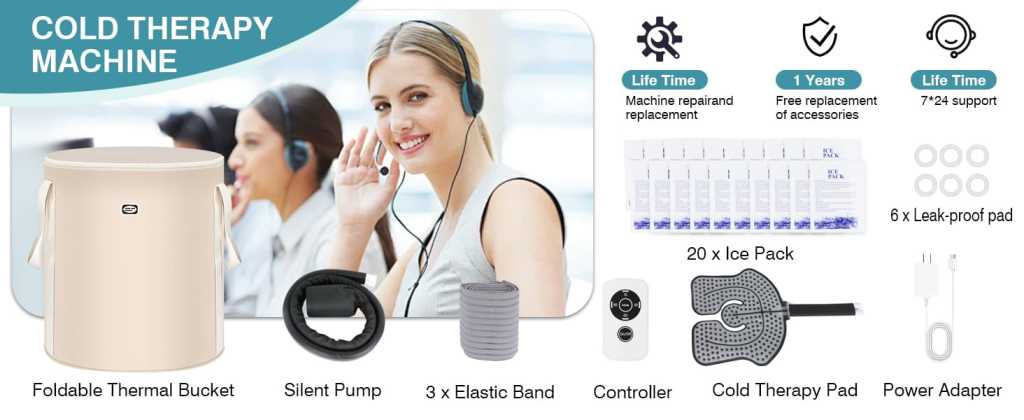
Cold Therapy Machine
The Science of Cold Therapy: Mechanisms and Evidence-Based Benefits for Recovery and Well-being

Dec
Cold therapy, or cryotherapy, is a widely utilized physical modality with a long history in both athletic and general wellness contexts. From ancient practices of cold-water immersion to modern targeted cryotherapy devices like the cold therapy machine, the application of cold has been valued for its ability to support recovery and promote a sense of well-being.
This article synthesizes current scientific evidence to elucidate the physiological mechanisms and documented benefits of localized cold application. It provides a clear, citation-supported overview of its role in contemporary health management.
Core Physiological Mechanisms
The therapeutic effects of cold therapy are not merely subjective but are grounded in well-understood physiological responses initiated when cold is applied to the body’s surface.
Vasoconstriction and Reduced Metabolic Rate: The primary local effect is the constriction of blood vessels (vasoconstriction), which reduces blood flow, capillary permeability, and the rate of cellular metabolism. This process is fundamental for managing acute tissue response to stress.
Reduced Nerve Conduction Velocity: Cold application decreases the sensitivity and firing rate of local sensory nerve endings. This lowers the perception of discomfort and can interrupt the cycle of pain-spasm-pain .
These two core mechanisms underpin the majority of cold therapy’s observed benefits in recovery and comfort.
Primary Evidence-Based Functions and Applications
Research supports several key functions of cold therapy, particularly in the contexts of post-exercise recovery and general wellness support.
A. Alleviating Exercise-Induced Muscle Soreness and Supporting Recovery
One of the most common and well-researched applications of cold therapy is for managing Delayed Onset Muscle Soreness (DOMS) after intense physical activity.
A 2025 Network Meta-Analysis published in the Journal of Athletic Training compared various recovery modalities. It concluded that cold water immersion (CWI) at temperatures between 10°C and 15°C (50°F and 59°F) demonstrated significant efficacy. This was in reducing DOMS and aiding in the recovery of muscle performance, such as jump height, compared to passive rest.
Practical Application: For optimal recovery benefits, protocols often recommend application within the first hour post-exercise, for durations of 10-15 minutes. They use temperatures in the range of 5°C to 15°C (41°F to 59°F).
B. Enhancing Perceptions of Well-Being
Beyond physical recovery, systemic cold exposure (like whole-body cryotherapy or cold immersion) has been studied for its psychological and well-being effects. A 2024 systematic review investigated the impact of whole-body cryotherapy (WBC) on well-being. The review found that WBC interventions showed a significant positive effect on well-being outcomes approximately 12 hours after the session. This suggests a role in stress modulation and mood enhancement.
Context: While this research focuses on whole-body exposure, the underlying neurohormonal pathways (e.g., activation of the autonomic nervous system, release of endorphins) may be partially engaged through significant localized application. This contributes to a relaxed state.
C. Managing Acute Discomfort and Swelling
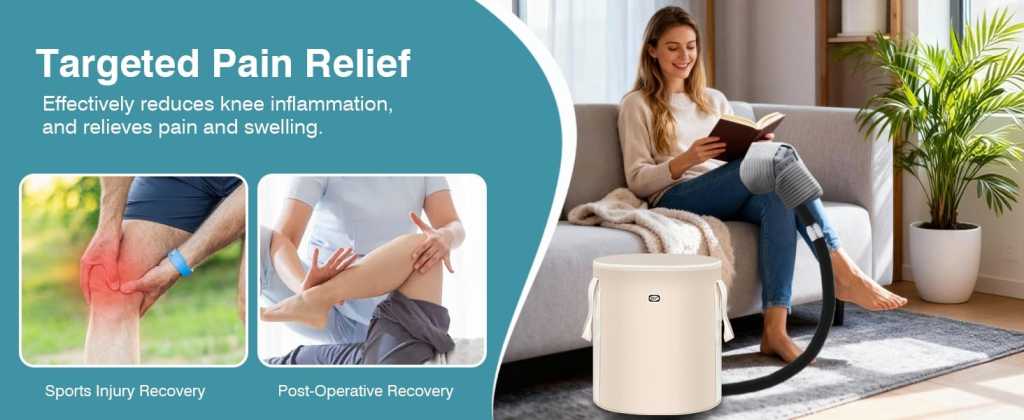
The vasoconstrictive and analgesic effects make cold therapy a first-line intervention for acute soft tissue discomfort, such as from minor impacts or sprains. Clinical resources like UpToDate, a point-of-care clinical decision support resource, recommend cryotherapy for acute musculoskeletal injuries. It notes its role in reducing pain, swelling, and inflammation in the initial 24 to 48 hours.
Mechanism Link: This application directly utilizes the core principles of vasoconstriction to minimize edema. It also reduces nerve sensitivity to provide comfort.
Specific Use-Case Evidence from Recent Research
Emerging studies continue to explore and validate cold therapy in specific scenarios:
Post-Surgical and Procedural Care: A 2025 systematic review examined strategies to prevent haematomas after cardiac catheterization. It identified that localized cold therapy (ice packs) applied for 15-20 minutes post-procedure was an effective and simple nursing intervention. This reduced haematoma formation and patient discomfort.
Supporting Clinical Management: A pilot study on acute gout management, published in BMC Musculoskeletal Disorders, investigated adding local ice therapy to standard medication. It reported that participants who received adjunct ice therapy (30 minutes, 4 times daily) experienced faster reduction in joint discomfort and swelling. This was compared to medication alone, highlighting its potential supportive role.
Essential Safety and Application Guidelines
To maximize benefits and minimize risks, adherence to safe practice protocols is essential:
1. Duration: Limit continuous application to 15-20 minutes per session. Prolonged exposure can lead to tissue damage or a rebound vasodilation effect.
2. Barrier Protection: Always use a thin towel or cloth between the cold source (ice pack or therapy pad) and the skin to prevent frostbite or ice burns.
3. Contraindications: Avoid applying cold over areas with compromised circulation, peripheral neuropathy, or extreme hypersensitivity to cold. It is primarily indicated for acute conditions and post-exercise recovery, not for chronic pain conditions without professional consultation.
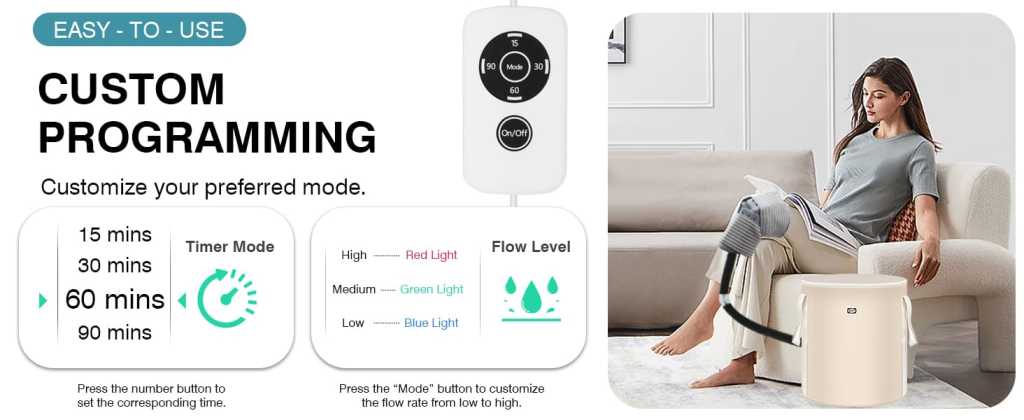
4. Device Compliance: When using a modern cold therapy machine, follow the manufacturer’s instructions regarding water temperature, session length, and pad placement.
Conclusion
In summary, cold therapy is a versatile, evidence-supported modality that promotes recovery and well-being through well-defined physiological pathways. Its efficacy in reducing exercise-induced muscle soreness, managing acute discomfort, and contributing to enhanced perceptions of wellness is backed by a growing body of scientific literature. As technology advances, making targeted and controlled cold application more accessible through personal devices, it can be effectively integrated into a holistic approach to health maintenance and active recovery.
References & Citations:
1. Vasoconstriction Mechanism: UpToDate. “Patient education: Ice and heat therapy for pain (Beyond the Basics).” This clinical resource outlines the fundamental physiological action of ice therapy in causing vasoconstriction to reduce swelling and inflammation.
2. Reduced Nerve Sensitivity: MedicineNet. “What Are the Benefits of Ice Baths?” This source explains how cold temperatures slow down nerve signal transmission, leading to a numbing effect and pain relief.
3. DOMS and Recovery (2025 NMA): Nunes, G. S., et al. “Effects of cold-water immersion on delayed-onset muscle soreness: a network meta-analysis.” Journal of Athletic Training (2025). This network meta-analysis directly found CWI at 10-15°C to be effective for reducing DOMS and aiding muscle performance recovery.
4. Well-Being and WBC (2024 Review): Bouzigon, R., et al. “Whole-body cryotherapy: A systematic review of the effect on well-being.” Journal of Thermal Biology (2024). This systematic review concluded that whole-body cryotherapy had a significant positive effect on well-being measurements.
5. Acute Injury Management: UpToDate. “Patient education: Ice and heat therapy for pain (Beyond the Basics).” It recommends cryotherapy for acute injuries to reduce pain and swelling in the first 24-48 hours.
6. Post-Catheterization Care (2025 Review): Systematic review on haematoma prevention. This 2025 review identified localized cold therapy as an effective intervention for reducing haematoma risk after cardiac catheterization.
7. Acute Gout Management (Pilot Study): A pilot study on ice therapy for acute gout. BMC Musculoskeletal Disorders. This pilot study reported that adding ice therapy to medication led to faster improvement in joint pain and swelling in acute gout patients.